
Bitcoin Casinos in Canada 2026: How Canadian Players Are Using Cryptocurrency for Safer, Faster Online Gambling
Bitcoin Casinos in Canada 2026: How Canadian Players Are Using Cryptocurrency for Safer, Faster Online Gambling

I've spent a good chunk of this year talking to fellow Canadian players about how they handle their online gambling funds, and one thing keeps coming up over and over: crypto isn't some fringe experiment anymore. It's turning into the go-to payment method for a growing slice of this market. Back in 2026, Bitcoin and other digital coins are quietly rewriting how people deposit, withdraw, and protect their money at online casinos. Instead of sitting around waiting for a bank transfer, or sweating over whether a credit card gets flagged mid-transaction, more players are moving funds in minutes using a wallet nobody but them controls.
In this piece, I'll walk through what a bitcoin casino actually is, why so many Canadians are making the jump, how to size up a platform before trusting it with your cash, and the real steps for setting up a crypto wallet. I'll also get into the risks worth knowing about — and a few mistakes I've watched players make that were easy to avoid, in hindsight.
What Is a Bitcoin Casino?
A bitcoin casino is, at its core, an online gambling platform that takes cryptocurrency — usually Bitcoin, though Ethereum, Litecoin, and stablecoins show up a lot too — as a primary funding method. What actually separates these sites from a traditional casino isn't just the currency. It's the tech underneath it. Transactions get recorded on a blockchain, a public ledger that's remarkably hard to tamper with, which makes altering deposit or withdrawal records after the fact a pretty tall order.
A lot of these platforms also run 'provably fair' systems. Players can independently check that a game's outcome wasn't rigged. The way this works: cryptographic hashing reveals the game's seed values before and after each round, so anyone with a bit of technical patience can audit fairness themselves instead of just taking the house's word for it.
How Bitcoin Transactions Work in Online Gambling
If you're new to this, the mechanics are simpler than people make them sound. You own a digital wallet with a unique address — think of it like an account number, except nobody at a bank is holding the keys. When you deposit at a casino, you send Bitcoin from your wallet to the casino's address, and that transaction broadcasts out to the network. Miners confirm it, usually somewhere between 10 and 30 minutes depending on how congested the network is that day, and once it's confirmed, the funds show up in your casino account. Withdrawals run the same process in reverse — the casino sends coins back to your personal address, no bank standing in the middle to slow things down.
Why Canadian Players Are Switching to Crypto Gambling
Ask around and you'll hear the same handful of reasons from Canadian players who've made the switch. First, speed: withdrawals that used to drag out three to five business days through Interac e-Transfer can clear in under an hour with Bitcoin. Second, fees. Traditional payment processors tend to tack on currency conversion charges, especially since a lot of casinos price their games in USD or EUR instead of CAD. Bitcoin skips that conversion step entirely — and that adds up to real savings for anyone playing regularly.
Privacy's the other draw people mention a lot. Crypto transactions don't require handing over your full banking details to a third-party gambling site, which feels like a reasonable thing to want given how many data breaches have made headlines across the industry lately.
Speed and Security Compared to Traditional Payment Methods
Compare notes with other players and the gap is stark. A credit card deposit might process instantly, sure, but withdrawals back to that same card can take 2 to 7 business days — and sometimes they get rejected outright by Canadian banks that flag gambling transactions on sight. Interac e-Transfer deposits move fast, but withdrawals routed back through e-Transfer still often take a day or two once you factor in processing and verification. Bitcoin withdrawals land in your wallet within an hour of approval, more often than not. And the blockchain confirmation process layers on a kind of security that's genuinely hard to match through centralized banking rails.
How to Choose a Safe and Reliable Bitcoin Casino
Not every crypto casino plays it straight, and this is exactly where I'd urge some caution. Before you deposit a single satoshi: check for a valid gaming license from a recognized authority, look for SSL encryption on the site, and actually read the withdrawal terms instead of skimming them. Some platforms bury wagering requirements or payout caps deep in the fine print — on purpose, I'd bet. Customer reviews on independent forums can surface patterns too, like slow payouts or support that goes quiet right when you need it, which a slick homepage will never show you.
For players doing their homework on trustworthy platforms, resources like bitcoin casino'>bitcoin casino can offer useful insight into evaluating site credibility and transaction safety before committing real funds. Taking a few extra minutes to cross-reference sources before signing up is one of the simplest habits that saves headaches later.
Getting Started: Setting Up Your Crypto Wallet for Gambling
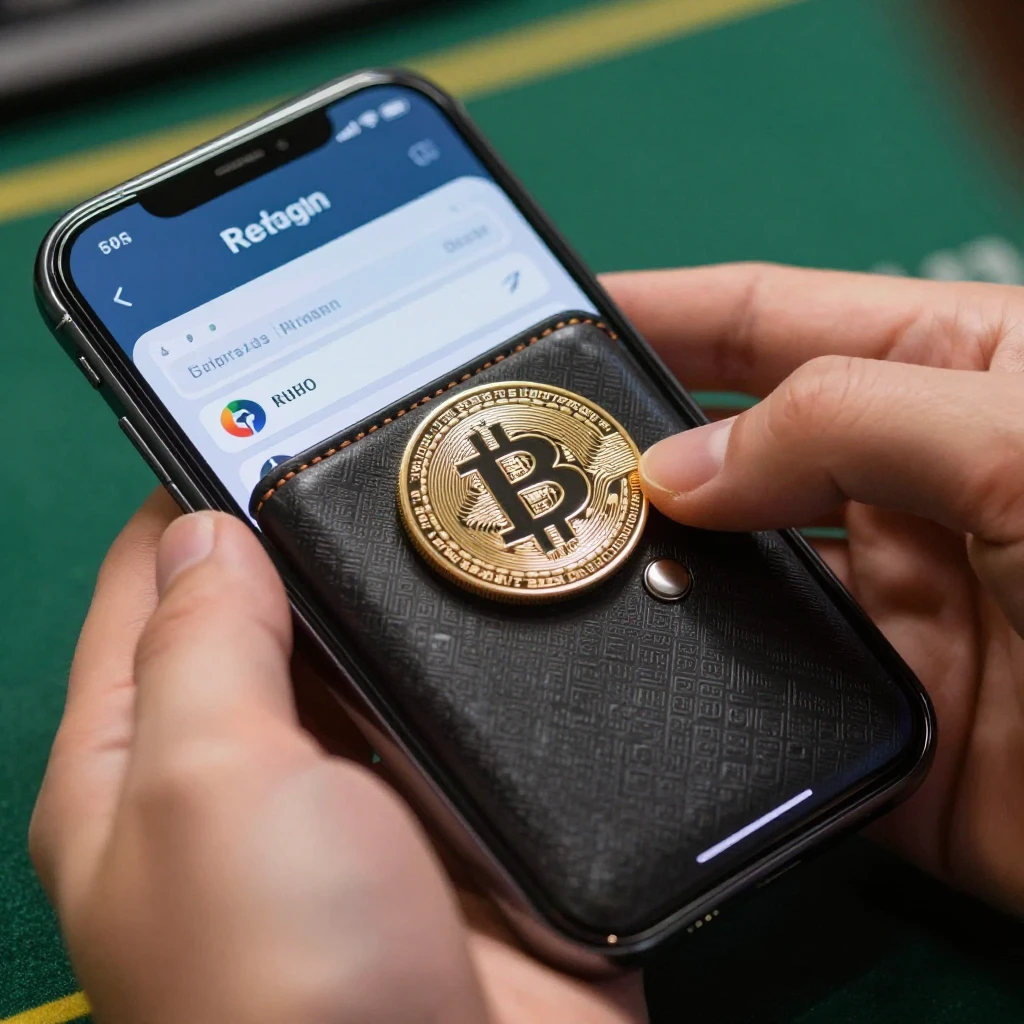
If you're new to all this, the process is more approachable than it looks from the outside. Start by buying Bitcoin through a reputable Canadian exchange, then move it to a personal wallet rather than letting large sums just sit on the exchange itself. From there it's pretty mechanical: copy your wallet's receiving address, paste it into the casino's withdrawal section when you're ready to cash out, or use the casino's provided deposit address to fund your account in the first place.
Common Wallet Options for Beginners
- Hardware wallets – Physical devices that store your keys offline, offering strong security but a bit less convenience for frequent transactions.
- Software wallets – Mobile or desktop apps that are easy to use day-to-day, though they require good password hygiene and device security.
- Exchange-based wallets – Convenient for quick transfers, but holding large amounts here long-term is generally discouraged since you don't fully control the private keys.
Risks and Responsible Gambling Considerations
I'd be doing readers a disservice if I glossed over the risks here. Bitcoin's price can swing hard within a single day — meaning the value sitting in your bankroll might shift before you even place a bet. It's worth setting a budget in CAD terms and converting only what you actually plan to spend, instead of parking large reserves in anything tied to gambling activity. Canadian players should lean on the built-in tools too: deposit limits, self-exclusion options, and resources like the Canadian Centre on Substance Use and Addiction when gambling starts feeling less like entertainment and more like something harder to put down.
Common Mistakes to Avoid When Using Crypto Casinos
Over time, I've noticed the same handful of errors show up again and again among newer crypto gamblers. People overlook network fees, which can eat into smaller withdrawals more than they expect. Others skip verifying a platform's license entirely, assuming 'crypto-friendly' automatically means trustworthy — it doesn't, not always. Using an unsecured or outdated wallet app is another common slip. So is skipping the withdrawal terms altogether; some sites cap payouts per week in ways that catch big winners completely off guard.
Bitcoin casinos mark a real shift in how Canadian players approach online gambling in 2026 — faster, cheaper, and giving players more control over their own funds than traditional banking rails ever really allowed. That convenience comes with responsibility, though. Doing your homework on a platform's legitimacy, understanding wallet security, and staying mindful of Bitcoin's volatility are all part of playing smart in the crypto era. My advice: take it slow, dig into the research, and treat every new platform with a healthy dose of skepticism before you put real money on the line.