
How Canadian Online Entertainment Trends Are Shaping Creative Industries in 2026: From Bitcoin Casinos to Visual Arts Photography Portfolios
How Canadian Online Entertainment Trends Are Shaping Creative Industries in 2026: From Bitcoin Casinos to Visual Arts Photography Portfolios
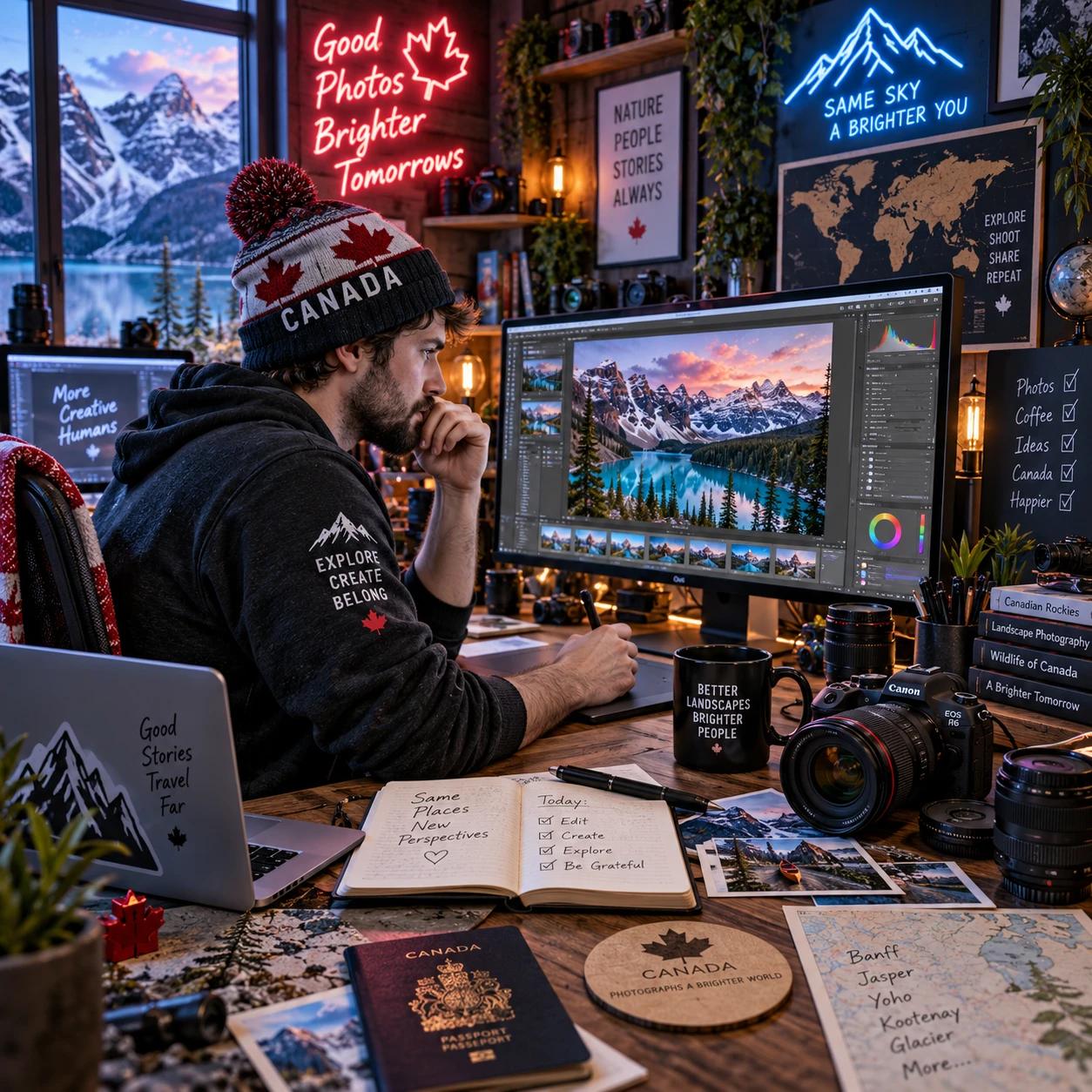
I've spent the better part of this year watching something strange happen in Canada's creative scene. Photographers I know are talking about blockchain. Graphic designers are studying casino app interfaces for inspiration. And somehow, the online entertainment world — yes, including bitcoin casinos — has become a quiet but undeniable influence on how visual artists present their work in 2026. It sounds like an odd pairing at first. But the more time I spend researching this shift, the more it makes sense.
Canada's digital entertainment landscape has exploded in complexity over the past few years, and creative industries are absorbing that energy in ways nobody quite predicted. This article is my attempt to map out that convergence — how gaming culture, crypto platforms, and visual arts are bleeding into one another, and what it means for photographers building their portfolios today.
The Rise of Digital Entertainment Culture in Canada
Canadians have fully embraced digital-first entertainment. Streaming platforms dominate evenings, online gaming communities thrive across every province, and crypto-based platforms have moved from niche curiosity to mainstream habit. Industry surveys suggest a growing share of Canadian adults have interacted with blockchain-powered entertainment products in some form — whether through gaming, digital collectibles, or online betting platforms that accept cryptocurrency.
This isn't just a technology story. It's a cultural one. When an entire generation grows up expecting instant, borderless, visually polished digital experiences, that expectation spills into every other creative field they touch — including photography, design, and branding.
Why Bitcoin and Blockchain Platforms Are Gaining Popularity
The appeal isn't complicated once you break it down. Canadian users want speed, privacy, and global accessibility — three things decentralized platforms deliver better than traditional alternatives. Transactions settle quickly, personal data stays protected, and users aren't boxed in by regional banking restrictions. That same appetite for seamless, borderless experiences is now shaping how creative professionals think about their own digital presence, including how they showcase and sell their work online.
Bitcoin Casinos as a Cultural and Visual Phenomenon
Here's where things get genuinely interesting. Bitcoin casinos have evolved far beyond simple gambling interfaces. Today they're immersive visual environments — cinematic lighting, bold color grading, atmospheric backdrops that feel more like concept art than a betting screen. This aesthetic shift hasn't gone unnoticed by Canadian photographers and digital artists, many of whom have started collaborating with these platforms on branding campaigns, promotional imagery, and portfolio-building projects.
It's a genuinely creative crossover. The visual language of bitcoin casinos — moody tones, dramatic contrast, polished digital textures — has started influencing how photographers approach their own branding work. I've noticed Canadian photography portfolios, including sites like laurataylorphotography.ca, quietly reflecting this aesthetic shift: sharper color grading, more cinematic composition, a willingness to borrow from digital entertainment's visual playbook while still keeping a distinctly personal, artistic voice.
Visual Branding Trends in Online Gaming Platforms
Color palettes matter more than people realize. Gaming and casino platforms invest heavily in mood — deep purples, electric blues, warm gold accents — because these choices drive engagement and emotional response. Canadian photographers are picking up on this, incorporating similar palette strategies into portrait sessions, brand shoots, and digital art pieces. The result is a visual culture where the line between 'entertainment design' and 'fine art photography' keeps getting blurrier, in a good way.
How Visual Arts and Photography Are Adapting to Digital Entertainment Trends
Canadian photographers aren't just watching these trends from the sidelines — they're actively adapting. Portfolios now feature more dynamic lighting setups, immersive storytelling sequences, and branding content clearly inspired by gaming aesthetics. Some artists are even experimenting with augmented reality elements in their online galleries, echoing the immersive tech found in modern online entertainment platforms.
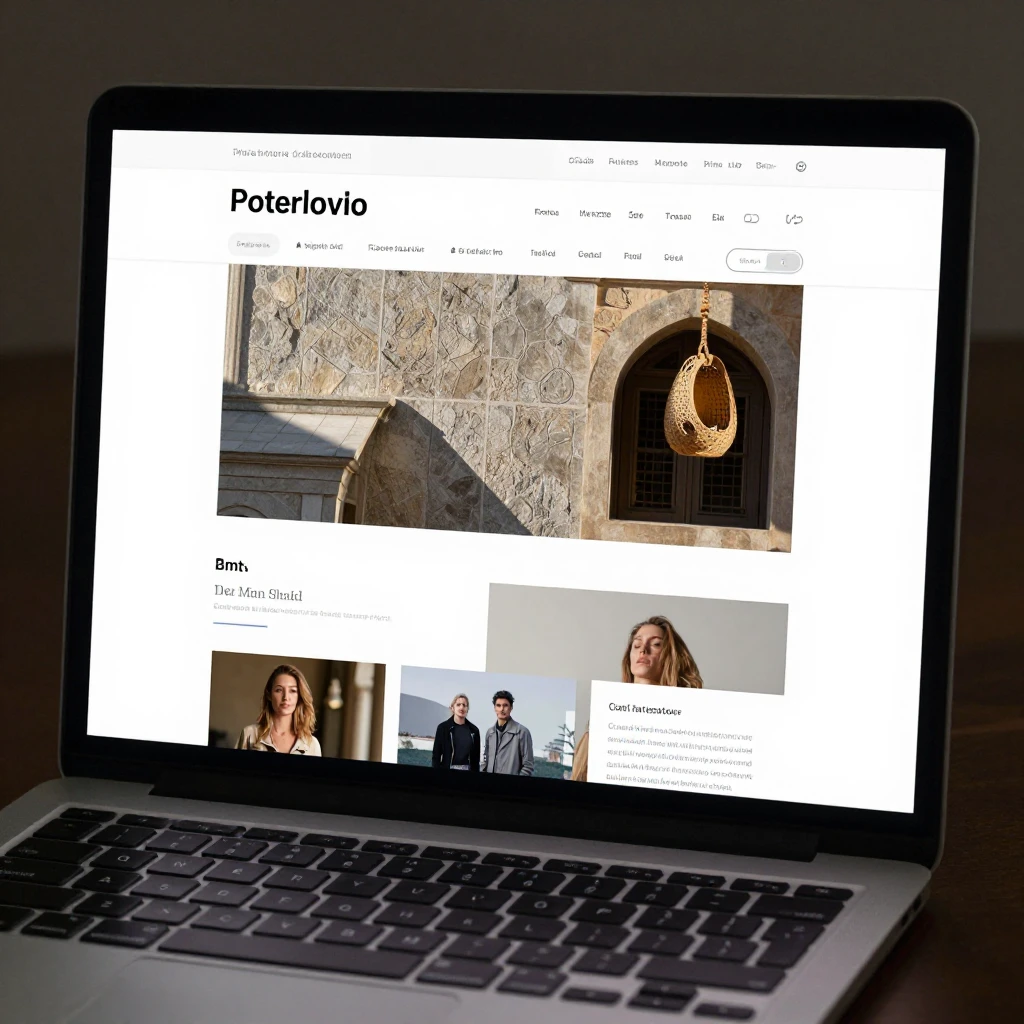
This adaptation isn't about chasing trends blindly. It's about staying relevant in a market where audiences increasingly expect polish, interactivity, and visual sophistication — qualities they've come to associate with the digital entertainment spaces they spend so much time in.
Portfolio Websites as Creative Business Tools
A strong portfolio site has become essential, not optional. These digital storefronts do more than display past work — they signal professionalism, visual identity, and market positioning. Sites built with the same attention to visual hierarchy and user experience that entertainment platforms obsess over tend to perform better at capturing attention in a crowded, entertainment-saturated market. It's one reason why well-designed Canadian photography portfolios are gaining traction with clients who expect a certain level of digital sophistication before they even consider booking a session.
The Intersection of Technology, Finance, and Creativity
Blockchain's influence doesn't stop at aesthetics. Crypto adoption is reshaping how creatives get paid and funded. NFT art sales, crypto-based client payments, and decentralized funding platforms are giving Canadian photographers and digital artists new ways to monetize their work — often inspired directly by the financial models popularized in online entertainment and gaming economies. It's a two-way exchange: entertainment platforms borrow visual ideas from artists, while artists borrow financial infrastructure from entertainment tech.
Opportunities and Challenges for Canadian Creatives in 2026
There's genuine opportunity here — new revenue streams, broader digital exposure, and fresh cross-industry collaborations that didn't exist five years ago. But there are real challenges too. The market is more saturated than ever, regulatory uncertainty around crypto creates friction for artists wanting to accept digital payments, and there's always the risk of losing authentic artistic voice while chasing trend-driven aesthetics.
- Increased visibility through entertainment-inspired visual branding
- New monetization paths via crypto and NFT platforms
- Risk of market oversaturation as more creatives adopt similar aesthetics
- Ongoing regulatory ambiguity around crypto payments in Canada
Tips for Photographers to Leverage Digital Entertainment Trends
If you're a Canadian photographer wanting to tap into this shift without losing yourself in it, start small. Experiment with bolder color grading inspired by gaming visuals, but keep your core style intact. Invest in a genuinely strong portfolio site — it's your most valuable asset in a digital-first entertainment economy. Stay curious about crypto payment options even if you're not ready to adopt them fully. And most importantly, treat these trends as inspiration, not instruction — the goal is to borrow energy from digital entertainment culture while staying unmistakably yourself.
Conclusion
Canada's online entertainment trends — from the visual spectacle of bitcoin casinos to immersive gaming experiences — are reshaping creative industries in ways that feel both unexpected and oddly natural. Photographers and visual artists across the country are absorbing these influences, blending entertainment-inspired aesthetics with their own artistic instincts to build portfolios and brands that resonate in 2026's digital-first marketplace. The creatives who thrive will be the ones who stay open to cross-industry inspiration while never losing sight of what makes their work distinctly their own.