
How Canadian Online Gamblers Can Protect Their Mental Health: Recognizing Problem Gambling Signs and Finding Support in 2026
How Canadian Online Gamblers Can Protect Their Mental Health: Recognizing Problem Gambling Signs and Finding Support in 2026
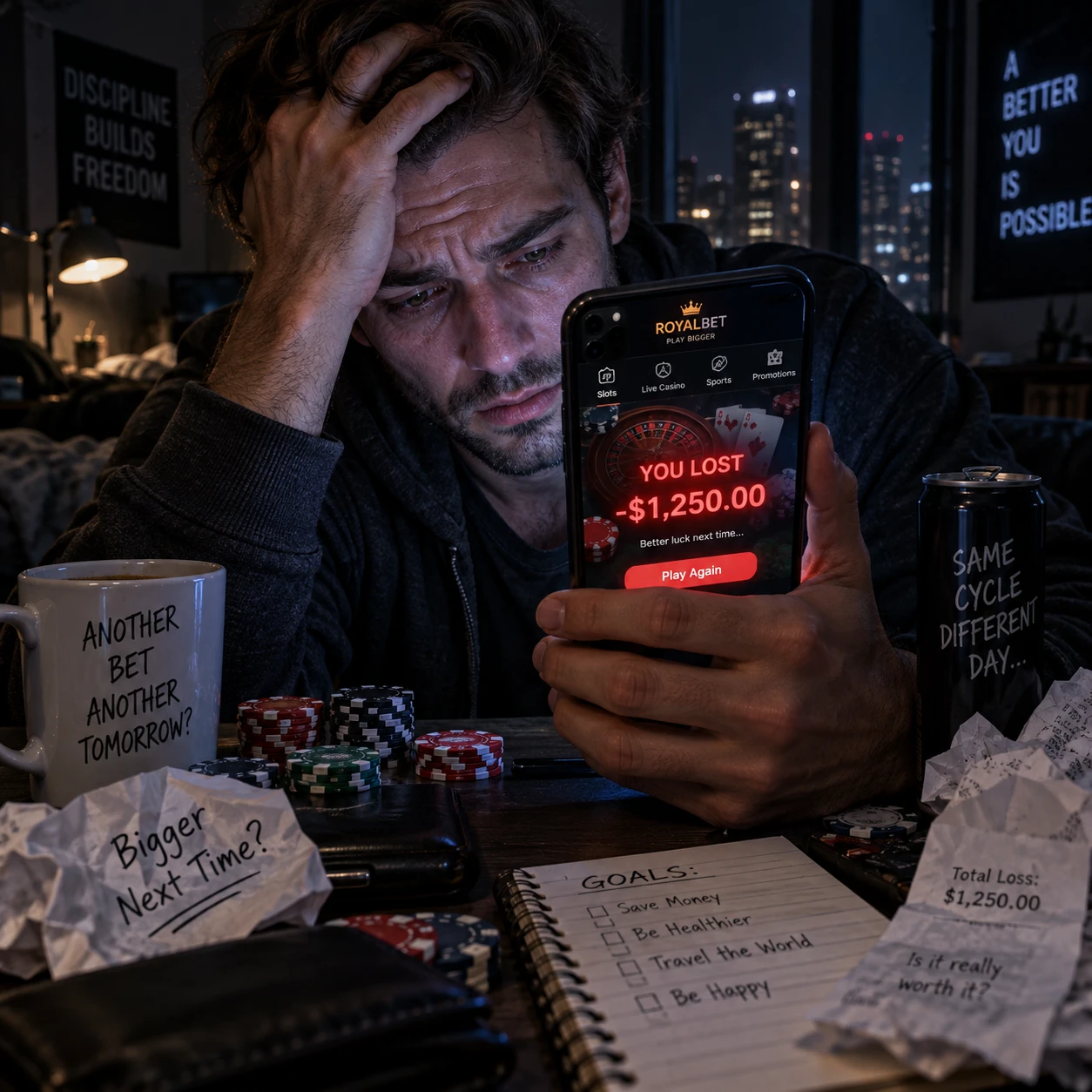
I've spent a good chunk of this year talking to friends, readers, and a handful of counsellors about how fast online gambling has changed in Canada. And I mean fast. 2026 genuinely feels like a tipping point — mobile apps load instantly, deposits clear in seconds, and more platforms than ever now accept digital currencies right alongside the usual debit and credit options. The whole experience is slicker, quicker, and way more immersive than anything we saw three or four years back.
That's exciting for plenty of people. But it also makes me a little uneasy, if I'm honest, because convenience and immersion are exactly the two ingredients that turn casual fun into something harder to walk away from.
This isn't meant to scare anyone off gambling. I'm not here to lecture you. What I want to do, in plain language, is lay out what problem gambling actually looks like, why these newer digital and crypto-based formats can turn up the risk, and where Canadians can actually go for support when things start feeling unmanageable.
Online Gambling in Canada — A 2026 Snapshot
Legal online gambling has spread across most provinces by now. Ontario's regulated market keeps maturing, and other provinces are building their own frameworks to catch up. Offshore sites, meanwhile, stay easy to reach for Canadian players — often with a lot fewer safeguards built in.
The biggest shift I've noticed over the last year or two is mobile-first design. Apps are built to feel like social games now, complete with push notifications, streak counters, loyalty badges — the works. Digital currencies have become a bigger part of the picture too. More players are using crypto wallets to fund accounts and pull out winnings, drawn in by faster processing and a sense of privacy that regular banking just doesn't offer.
All of this context matters more than it might seem. It shapes how people gamble, how often, and — maybe most importantly — how aware they stay of what they're actually spending.
Why More Canadians Are Gambling Online
A few things keep coming up when I look at what's driving this growth:
- 24/7 access from a phone means there's no 'closing time' to force a natural break
- Sign-up bonuses and ongoing promotions make it feel like there's always a reason to log back in
- Social and gamified features — leaderboards, achievement badges, live chat — make the activity feel more like play than wagering
- Instant payment rails, including crypto, remove the friction that used to slow people down between deposits
Recognizing the Signs of Problem Gambling
Problem gambling rarely announces itself with some dramatic moment. It creeps in. Small behavioral shifts, easy enough to explain away at first — and that's exactly what makes it tricky to catch.
Behavioral and Emotional Red Flags
Here are some of the clearest warning signs worth watching for — in yourself, or in someone you care about:
- Chasing losses — betting more to 'win back' money already lost
- Hiding gambling activity from family or partners, or lying about time and money spent
- Irritability or anxiety when not gambling, or when asked to stop
- Neglecting work, school, or household responsibilities in favor of playing
- Borrowing money, selling possessions, or dipping into savings to keep gambling
If even one or two of these ring a bell, it's worth pausing. Take an honest look at the bigger pattern instead of brushing it off as just a rough week.
How Digital and Crypto Gambling Can Intensify Risk
Traditional gambling used to come with built-in friction. You had to drive somewhere, withdraw actual cash, wait in line. Online and crypto platforms strip almost all of that away — transactions clear in seconds, borders stop mattering, and the whole experience is built to keep you engaged.
That speed, that borderlessness, can push compulsive patterns along a lot faster than any brick-and-mortar casino could manage. There's just so little space between impulse and action anymore.

The Rise of Bitcoin Casino Platforms and New Mental Health Considerations
One of the biggest shifts I've watched happen in the Canadian online gambling scene is how fast crypto-based gambling sites have taken off. A bitcoin casino tends to appeal to players for a mix of reasons — faster withdrawals, a feeling of anonymity, bonus structures that can look a lot more generous than what traditional platforms offer. These sites have genuinely reshaped how a lot of people approach online play, and not just at the margins.
But there's a psychological wrinkle here worth sitting with for a second. When you're wagering in Bitcoin or another cryptocurrency, the link between what you're spending and real money can start to feel... abstract. Watching a balance tick up or down in BTC just doesn't register the same way as watching actual dollars disappear from a bank account. That disconnect can quietly wear down the natural caution most of us apply to spending, without us even noticing it's happening.
Before diving into these platforms, it's worth understanding how they can shift decision-making over time — because they do. The good news? Mental health resources across Canada are starting to catch up, with more clinics and counsellors now specifically addressing the stress, compulsive patterns, and financial confusion that crypto-gambling habits can bring.
Why Mental Health Support Matters for Gamblers
Problem gambling rarely shows up alone. In conversations I've had with people who've struggled with it, anxiety and depression almost always come along for the ride — sometimes as a cause, sometimes as a consequence, often both at once. Financial stress compounds everything on top of that, creating a cycle where gambling becomes both the source of the pressure and the failed attempt to escape it.
The research keeps landing on one point: early intervention actually works. The longer problem gambling goes unaddressed, the deeper the financial and emotional damage tends to run, and the harder recovery gets from there. Reaching out at the first sign of trouble — instead of waiting for things to hit a crisis point — genuinely changes how this plays out.
Finding Professional Help and Support Resources in Canada
Thankfully, Canada has a reasonably solid network of support for people dealing with problem gambling, and it's growing fast to keep pace.
Counselling Services, Helplines, and Clinics
Organizations like ConnexOntario offer free, confidential support around the clock, connecting callers to local treatment services. Most provinces run their own responsible gambling programs with dedicated helplines and referral networks of their own. Beyond that, more mental health clinics across the country now offer therapy tailored specifically to addictive behaviors, gambling included — and some clinicians have started developing real expertise in how digital and crypto-based gambling affects clients differently than the traditional formats did.
Self-Help Tools, Apps, and Peer Support Groups
If you'd rather go a more independent route, or just want to supplement professional help, there are solid options out there:
- Self-exclusion programs offered by most licensed Canadian operators, which block account access for a set period
- Budgeting and spending-tracker apps that make it harder to lose sight of actual money spent
- Peer support groups like Gamblers Anonymous Canada, which run regular meetings in person and online
Building Healthy Gambling Habits — Prevention Tips
If you gamble online at all, a few simple habits go a long way toward keeping it in the 'entertainment' column instead of letting it slide into something riskier:
- Set deposit and loss limits before you start playing, not after you're already in the moment
- Schedule regular gambling-free days each week to break the habit loop
- Use the responsible gambling tools most licensed platforms now offer, like time-outs and spending alerts
- Pay attention to emotional triggers — stress, boredom, loneliness — and notice when gambling becomes a way of coping rather than having fun
Conclusion: Prioritizing Mental Wellness in the Age of Digital Gambling
Online and crypto gambling platforms aren't going anywhere. And honestly, for a lot of Canadians, they're a legitimate, enjoyable form of entertainment — I'm not pretending otherwise. But the speed, the accessibility, the abstraction that makes these platforms so appealing? Those are the exact same qualities that can make problem gambling harder to spot until it's already taken hold.
If any of what I've described here sounds familiar, don't wait for things to get worse before reaching out. Support is available, it's confidential, and it works best the earlier you use it. Treat gambling as entertainment, keep an eye on your own patterns, and remember — your mental health is worth more than any jackpot ever could be.