
How Canadians Are Using Bitcoin to Fund Travel and Entertainment: A 2026 Guide to Crypto Payments, Online Gaming, and Choosing a Trusted Bitcoin Casino for Safe Play
How Canadians Are Using Bitcoin to Fund Travel and Entertainment: A 2026 Guide to Crypto Payments, Online Gaming, and Choosing a Trusted Bitcoin Casino for Safe Play
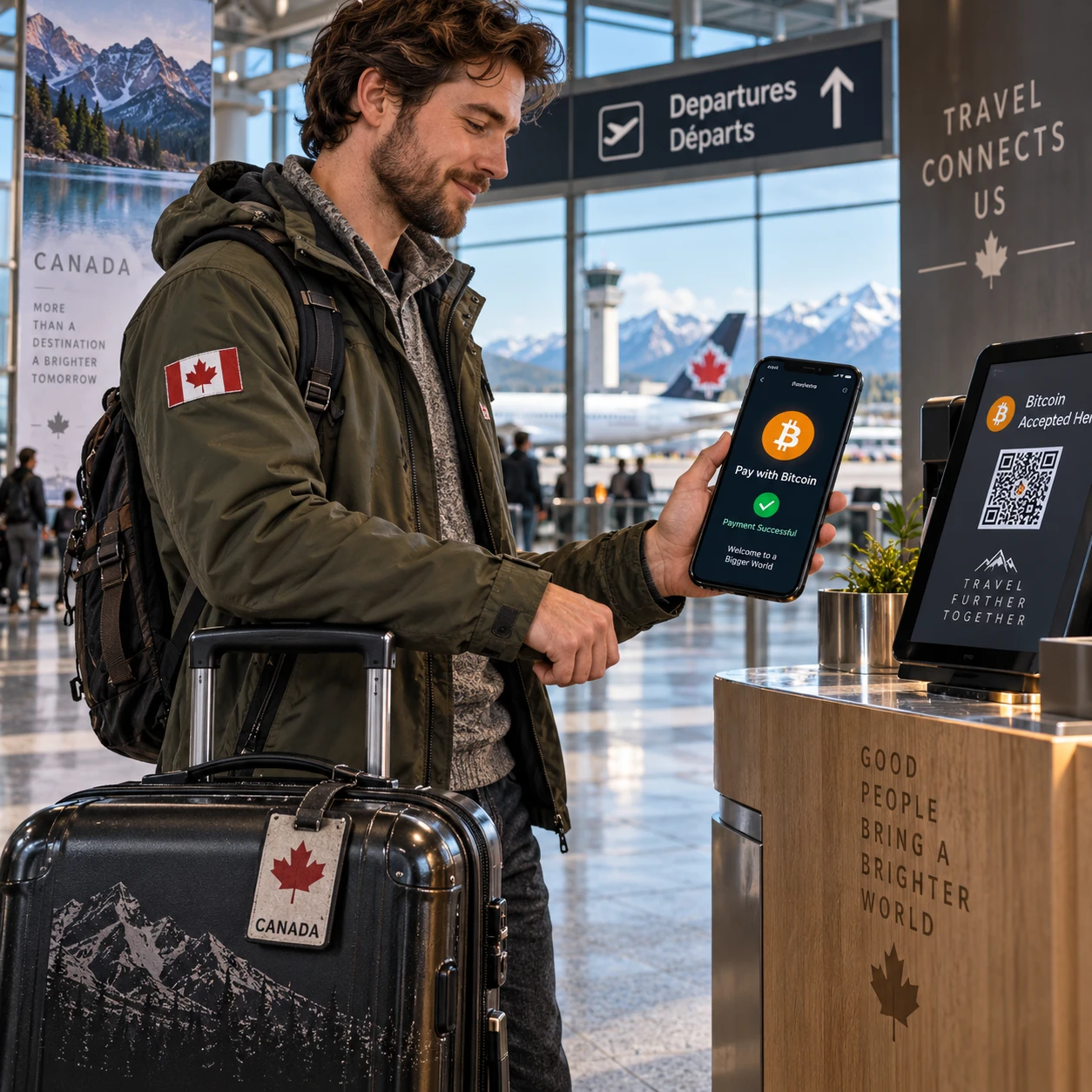
A few years back, Bitcoin in Canada was something you bought, tucked into an app, and mostly forgot about while waiting for the price to climb. That's not really how it works anymore. In 2026, I'm watching more Canadians treat their crypto holdings like actual spending money — booking flights, paying for streaming bundles, even funding a night of online gaming without touching a bank transfer at all. Travel agencies quote prices in satoshis right next to dollars now. Entertainment platforms have quietly wired crypto payment rails into their checkout flows, and nobody seems to think it's strange anymore. This guide walks through how that shift happened, what's actually realistic to do with Bitcoin today, and how to approach online gaming — including picking a platform you can trust — without getting burned along the way.
Why Canadians Are Turning to Bitcoin for Travel and Entertainment
The appetite for spending Bitcoin instead of just holding it comes down to two things: regulatory maturity and plain convenience. Canada's federal and provincial regulators spent the last couple of years clarifying how crypto transactions get taxed and reported, and that clarity removed a lot of the hesitation that used to keep everyday users on the sidelines. Meanwhile, more merchants — boutique hotels in Banff, international airline consolidators, you name it — started accepting Bitcoin directly or through processors that convert it instantly.
Cross-border bookings are where this really shows its value. Converting Canadian dollars to US dollars or euros through a traditional bank usually means clunky fees and exchange rate markups that eat into your budget before you've even left the airport. Bitcoin, especially moved through the Lightning Network, settles fast and often cheaper — particularly useful for travelers booking last-minute international packages. There's a generational angle too: younger, tech-comfortable spenders just find it more natural to tap a crypto wallet than dig out a credit card.
The Shift from Investment to Everyday Spending
What's driving this isn't price action. It's usability. Wallet apps have gotten dramatically better at hiding the technical mess underneath, Lightning Network adoption means transactions clear in seconds instead of minutes, and crypto debit cards let you spend Bitcoin anywhere Visa or Mastercard works while the conversion happens quietly in the background. For a lot of Canadians, Bitcoin has turned into less of a long-term bet and more of a flexible spending tool sitting right alongside their regular bank account.
Booking Travel with Bitcoin — What's Possible in 2026
Booking a trip with Bitcoin is far more practical than it was even two years ago — genuinely. Several crypto-friendly travel agencies now let you pay directly for flights and hotel packages. Gift card marketplaces have expanded their inventory to cover most major airlines and hotel chains, letting you convert Bitcoin into usable travel credit in a few clicks. Some direct merchants — independent tour operators, smaller boutique accommodations — accept Bitcoin outright, often at a discount since it saves them card processing fees.
Crypto-to-fiat conversion tools have matured too, so you don't need to manually calculate exchange rates anymore (a relief, honestly). Most platforms lock in a price for a short window, so what you see at checkout is what you pay, regardless of whatever the market's doing in the background.
Tips for Using Crypto for Travel Bookings Safely
Before you commit funds to any travel booking paid in Bitcoin, a few habits will save you headaches down the line:
- Always verify the exchange rate at the moment of booking against a live market price — some lesser-known platforms pad their rates.
- Stick to reputable, established platforms with a track record rather than brand-new sites offering unusually attractive deals.
- Keep detailed transaction records — dates, amounts, CAD equivalents — since the CRA treats crypto spending as a disposal event that may trigger capital gains reporting.
- Screenshot confirmations and save wallet transaction IDs in case you need to dispute a charge or prove payment later.
Bitcoin and Online Entertainment — Streaming, Gaming, and Beyond
Travel isn't the only place Bitcoin's found a comfortable home. Streaming services, digital content marketplaces, and esports betting platforms have all added crypto payment options — often because their user base already skews toward people comfortable with wallets and exchanges. Digital purchases, games, in-app content, subscription tiers, increasingly accept Bitcoin or stablecoins as a payment rail, sometimes with loyalty perks tossed in specifically for using crypto.
Online gaming platforms are arguably the biggest entertainment category where Bitcoin has really taken root. And that naturally leads to one of the most popular — and most scrutinized — uses of crypto for leisure: online casino play.
Choosing a Trusted Bitcoin Casino for Safe Play
This is where due diligence matters most, full stop. Not every platform claiming to accept Bitcoin deposits operates with the same standards, and the gap between a reputable site and a risky one usually comes down to a handful of things you need to check before you ever deposit a cent. Licensing is the first filter — a trustworthy operator holds a license from a recognized gaming jurisdiction and makes that information easy to find, not buried three clicks deep in fine print. Provably fair game mechanics, transparent withdrawal timelines, and visible security certifications are the next layer of trust signals worth confirming.
For Canadian players trying to sort legitimate operators from the noise, it helps to lean on comparison resources instead of guessing blind. Sites like bitcoin casino let you review vetted platforms side by side — licensing details, payout speed, user feedback — before you commit any funds. Taking that extra step of comparison shopping before depositing is, honestly, one of the simplest ways to dodge a bad experience.
Key Safety Checklist Before You Play
- Verify the licensing jurisdiction and confirm it's recognized and currently active.
- Check for SSL encryption and visible security certifications on the site.
- Read independent reviews from other Canadian players, not just testimonials sitting on the casino's own homepage.
- Confirm the platform follows KYC/AML compliance procedures — a legitimate site will ask for identity verification at some point.
- Test customer support responsiveness with a question before depositing anything significant.
- Start with a small deposit to test withdrawal speed and reliability before committing larger amounts.
Understanding Provably Fair Technology
One real advantage crypto casinos offer over traditional online gambling is provably fair technology. In simple terms: it uses cryptographic hashing so both the player and the operator commit to a game outcome before it's revealed, and the player can independently verify afterward that nothing was manipulated. It's a transparency layer traditional online casinos just can't replicate the same way — and it's a big reason crypto gaming has built credibility among more skeptical players, myself included, at first.
Managing Risk — Taxes, Volatility, and Responsible Spending
Spending Bitcoin on entertainment comes with a few practical wrinkles Canadians need to keep in mind. The CRA generally treats gambling winnings as non-taxable for recreational players, but the crypto transactions themselves — converting Bitcoin to make a deposit, cashing out winnings back into Bitcoin — can trigger capital gains considerations depending on how your holdings have shifted in value. Worth keeping records regardless of the amounts involved. Even small ones.
Volatility is the other factor, and it's a real one. If Bitcoin's price swings 10% between the time you fund your travel budget and the time you actually book, that affects your purchasing power directly. Same goes for entertainment spending — a bankroll that felt comfortable yesterday might feel tighter today, purely from market movement, with zero connection to your actual choices.
Tools for Tracking Crypto Spending on Entertainment
A few practical habits make this easier to manage. Budgeting apps that sync with crypto wallets give you a real-time view of what you're spending in CAD terms, not just satoshis floating on a screen. Some wallets now include built-in spending trackers specifically for discretionary categories like entertainment. And there's a popular workaround for volatility: converting a fixed amount of Bitcoin into a stablecoin before setting a leisure budget, so the number you've allocated for the month doesn't shift under you while the market does its thing.
Common Mistakes Canadians Make When Spending Bitcoin on Leisure
A handful of avoidable mistakes show up again and again among newer crypto spenders:
- Using unregulated or unlicensed platforms simply because they're the first search result or dangle an eye-catching bonus.
- Ignoring network transaction fees during periods of high congestion, which can quietly eat into smaller transactions.
- Failing to secure wallets with two-factor authentication, leaving funds exposed to account takeovers.
- Skipping research on a platform's reputation before depositing, instead of taking ten minutes to check reviews and licensing.
Bitcoin has genuinely earned its place as a practical tool for Canadian travelers and entertainment spenders in 2026 — not just a speculative asset sitting cold in storage somewhere. Whether you're booking a trip abroad, paying for streaming content, or exploring online gaming, the underlying principle stays the same: do your homework before you commit funds. That's especially true when choosing where to play — licensing, transparency, and independent reviews matter a lot more than flashy bonuses ever will. Start small, keep good records for tax purposes, and treat security as a non-negotiable part of the whole process. Crypto-powered leisure spending can be genuinely convenient, sure, but it rewards the people who stay informed and a little cautious along the way.